
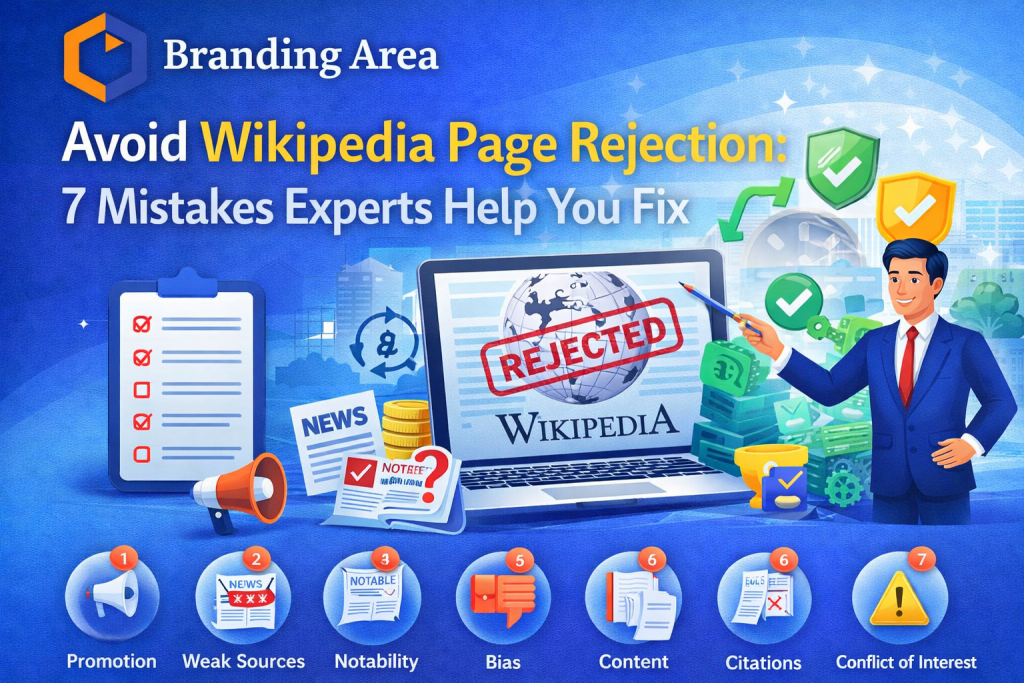
When editing or developing a Wikipedia page, it is easy to forget the basics: spelling, grammar, and sourcing. Yet experienced editors will tell you that even that alone won’t get you a page that’ll get rejected. Wikipedia is strict when it comes to content, and even a minor error can lead to rejection. The fact has nothing to do with what’s on the page but how we structure, source, and present it to meet Wikipedia standards.
Here is how a professional wikipedia page editing services makes sure that your page is unique and on top of everyone’s head:
1. Understanding Wikipedia’s Neutrality Need
Neutral editing is one of the most ignored aspects of Wikipedia editing. Also, many people write their Wikipedia page or a business entry with a bias that either glorifies the object or belittles its importance. This is against Wikipedia’s core content policy, i.e., neutrality. A good Wikipedia page editing service is fully aware of how to display the content on a neutral basis.
The tone will remain impartial, but the relevance and significance of the subject will be highlighted. It will done through both negative and positive aspects by a professional editor.
2. Beware of Reliable and Verifiable Sources
The key to adding references is to use high-quality and reliable sources. Wikipedia page creators often use too obscure or self-published sources as sources, which is why they are rejected. The professional editors are experts in finding trustworthy, third-party resources that stand according to Wikipedia’s standards.
This is not just about shedding citations. It is about making sure that the sources themselves, too, are celebrated as authoritative and credible by the larger community. Raising the credibility of the page involves tapping from mainstream news outlets. It also includes the academic papers and well-respected publications as sources.
3. Following to Wikipedia’s Formatting Standards
The format looks like such a minor issue, but Wikipedia has its own format rules when creating articles, such as how to head or reference list. Such pages can be rejected by the platform simply for not conforming to the platform’s conventions.
A professional editor also knows these standards well, organizing information. So that the page reads more easily to both the audience and the editor. Right headers and bullet points, as well as proper links, are crucial to get the article accepted properly.
4. Incorporating Appropriate Links
The use of internal and external links is one aspect that most people tend to forget. External links can be good for referencing sources, but Wikipedia prefers internal links to other articles on the site. Articles that link to related topics in Wikipedia and are relevant will get noticed and get accepted more easily.
Editors also usually ensure that the external links offered are directly relative to the subject being discussed. It will most likely be rejected if you only link to a website or platform just to promote it.
5. Avoiding Promotional Language
The use of promotional language is another often ignored issue. Wikipedia’s volunteer editors flag articles that read like advertisements. Most business owners or individuals talking about themselves or their company will tend to write in such a way. It seems more like a marketing pitch and less like a neutral entry.
Professional Wikipedia page editing services write in a language that is strictly factual and simple, with only verifiable accomplishments and no fluff or inflating of claims. It is not about selling it, but rather, informing them.
6. Understanding Wikipedia’s Notability Guidelines
The main reason for rejection is in failing what Wikipedia refers to as ‘notability standards’. A subject should be covered significantly on reliable and independent bodies. But without this, your page will be deleted anytime, regardless of how good it is.
A professional editor knows how to properly bring in notability. So they carefully choose and cite sources that show the subject is prominent. They know what qualifies and can verify that the subject falls within the Wikipedia threshold.
7. Dealing with Wikipedia’s Editorial Process
After you have submitted an article, there is a good chance that it will be rejected by Wikipedia’s editorial volunteers or asked to be changed. A professional editor is able to take advantage of Wikipedia’s editorial process by knowing how to work with Editors into dialogue.
They can also respond to feedback and make changes within the guidelines of Wikipedia. This allows them to ensure the page stays active meeting all current standards.
Looking Ahead
Following basic Wikipedia guidelines doesn’t guarantee avoiding Wikipedia rejection. There is a great need for an expert in neutrality, sourcing, formatting, and compliance with evolving Wikipedia policies.
A lot of pages are rejected because of things such as conflicts of interest, inappropriate citing, and simple promotion. Using a professional Wikipedia page editing service ensures your content fits Wikipedia’s strict standards. It also help in increasing your chances of acceptance.
Branding Area specialises in creating Wikipedia pages that last. Our professional wikipedia page editing services handle everything from notability assessment to professional editing seamlessly. Trust us to help avoid rejection by creating a credible, compliant Wikipedia page for you.